




Optimizing baby sleep during Teething
We asked the lovely Liz Nixon, founder of North Star Sleep Consultancy to help us look at the best tips for sleep during the teething phase !. As an OCN certified sleep consultant she has supported hundreds of families using her gradual, comfort-based approach no cry-it-out, ever approach

"They must be teething!"
A line we hear and say as mums on a very regular basis. Teething is credited with the red cheeks, the ear pulling, never-ending drool, fussiness, everything going into the mouth, sleep disruption...the list goes on.
As an infant sleep consultant, many parents will tell Liz that they are really struggling with their baby's sleep and feel that teething is the cause. But is this really the root of the problem?

Teething & Sleep
Our little ones commonly cut their first tooth around the 5-7 month mark but the signs and symptoms often show up earlier and sometimes without much to show in ways of a tooth for some time.
As parents, this can feel frustrating as you feel as though you're always waiting for the teething spell to pass in order for
something to get better. That something" may be bedtime fussiness,naptime battles or overnight waking.
Whatever it is, there are many parents out there playing the waiting game and crossing their fingers that the tooth comes through and the sleep problems dissipate.
Its a long wait‘ From first to last tooth is usually a duration of 2-3 years.
Don't get me wrong - teething is no fun for our babies and can cause a period of pain and upset without doubt. However, the actual cutting of the tooth may only cause anight or two of disruption in reality and is unlikely to be the cause of long periods of broken sleep.

How can we support our babies through teething discomfort AND get the sleep we all need?
Step 1: Arm yourself with all the teething goodies!
I'm not one to encourage mums to splash out on every baby item and gadget (in fact, I often discourage it) but I truly believe you'll never waste a penny on good teething products. You'll get so much use out of the right ones and they can really save your sanity as well as provide that much-needed comfort for your little one.
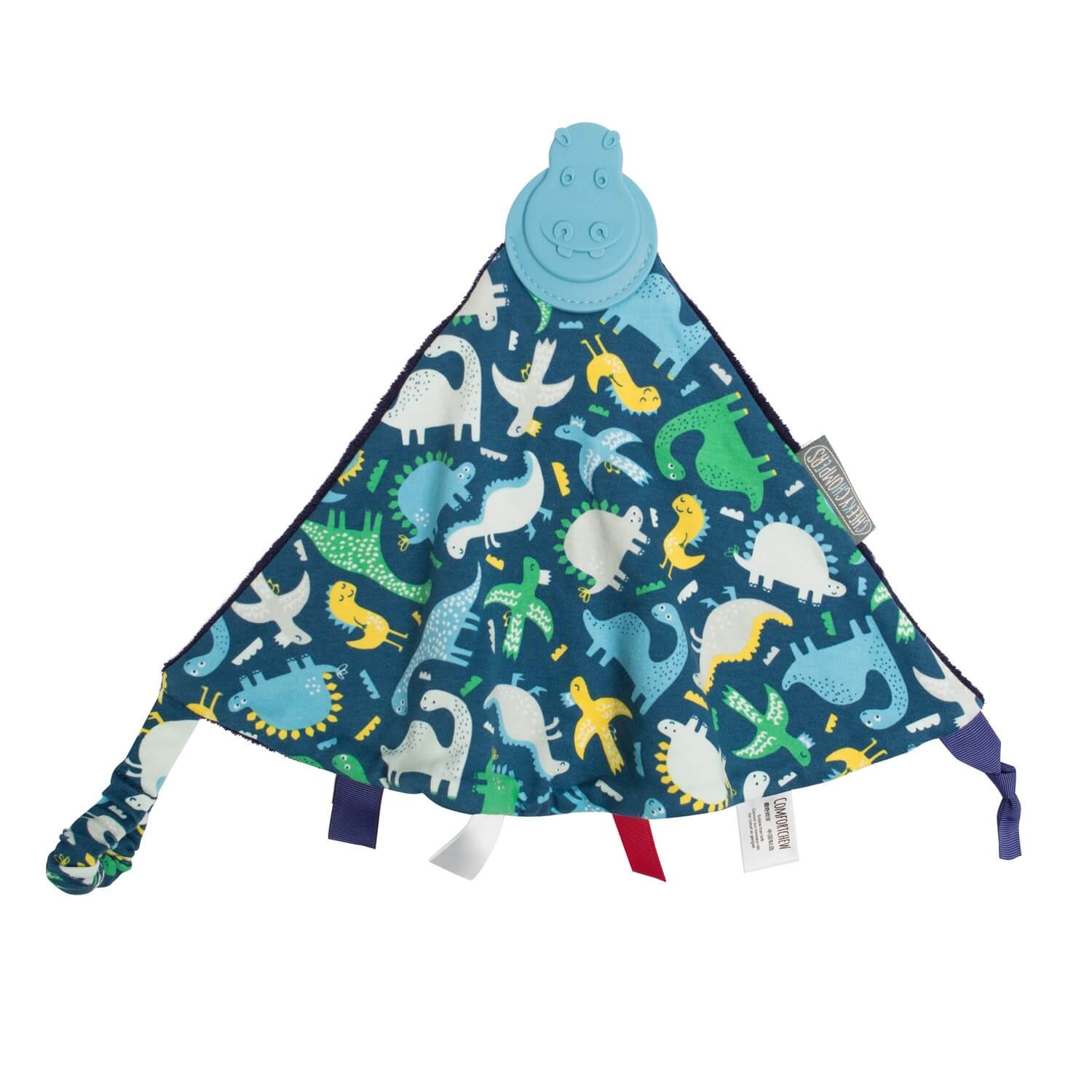
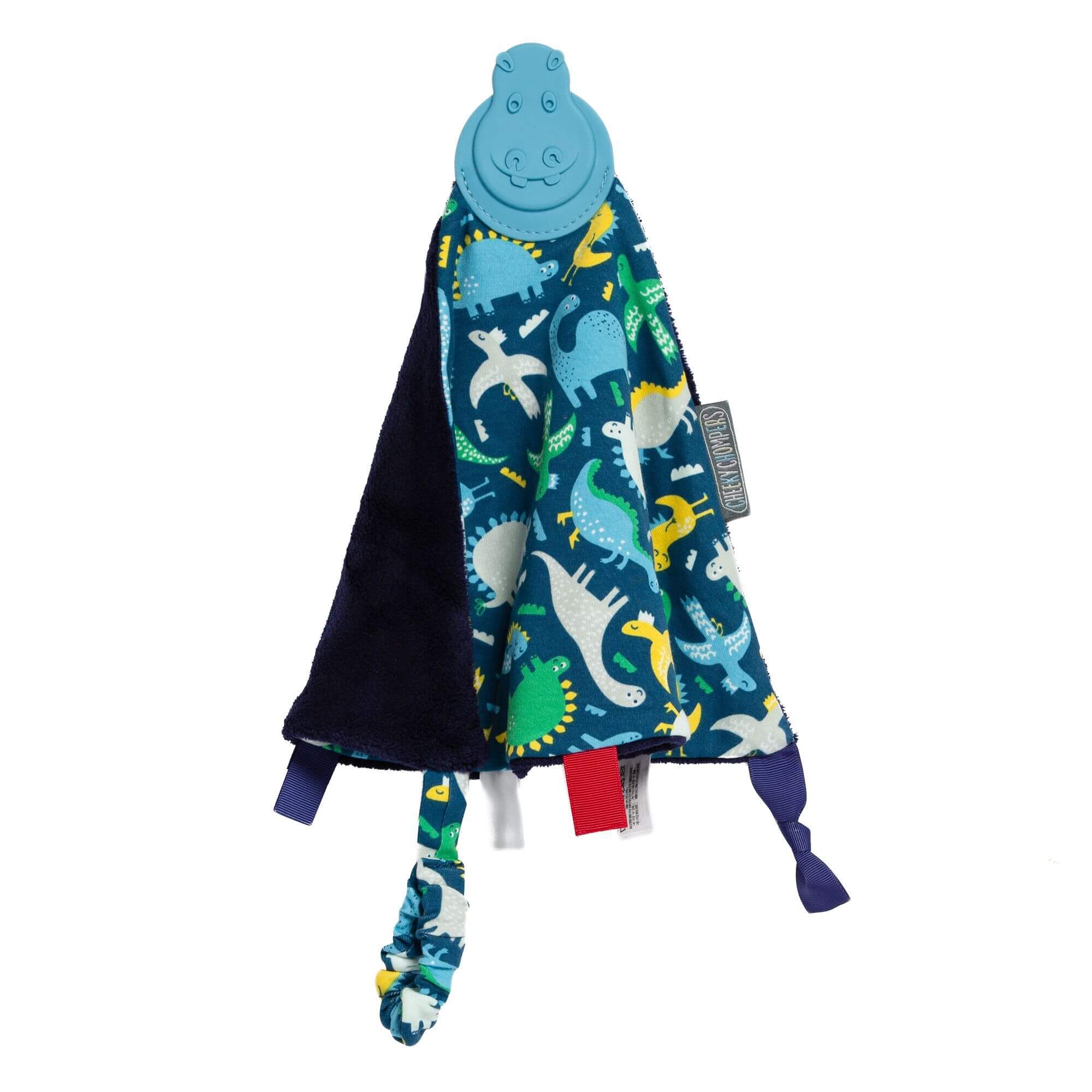
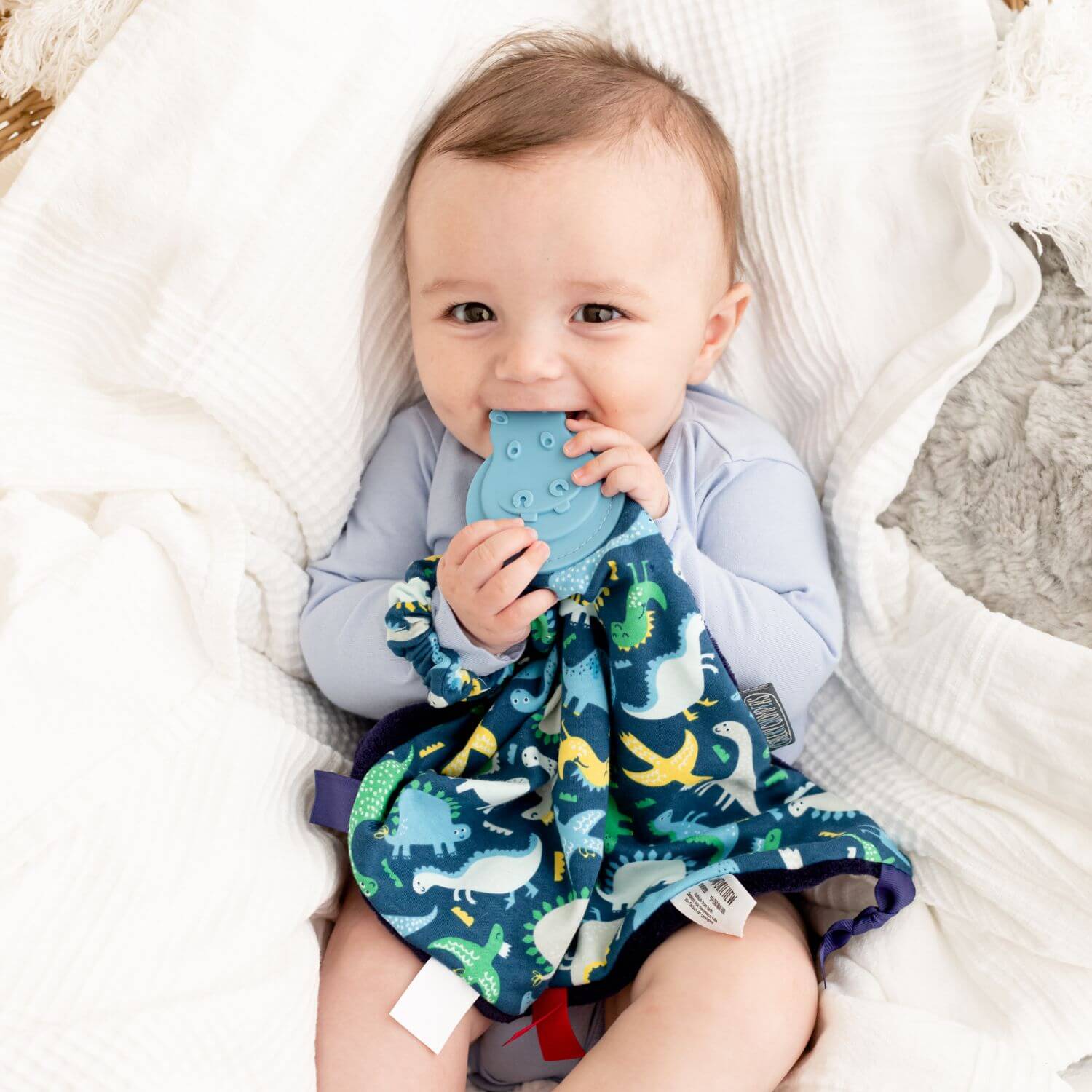
Cheeky Chompers' Neckerchew is one I recommend often - it's an award-winning, reversible dribble bib with a built-in chewy corner, so your baby gets something to chew on the moment they need it and you're not changing outfits three times a day from soaked-through drool. For settling, their Comfortchew is a lovely one to have on hand - it doubles as an attachable teether and a soft comfort object so your baby gets physical relief and the reassurance of something familiar to hold onto, which matters just as much as the chewing itself when they're overtired and unsettled. Their Animal Teether is designed with varied textures and a shape that's easy for little hands to grip so even a very young baby can get a proper, satisfying bite on it rather than gnawing at whatever's nearest.

Step 3:
Set the sleep foundations
There's no single right way to help your baby fall asleep - whatever works for you and your baby is the right approach. Whether that's feeding or rocking to sleep, co-sleeping, or working towards independent settling in the cot, what matters most is that it's something you're genuinely happy to repeat, night after
night, every time your baby wakes.
That consistency is what gives your baby a baseline to return to. When teething
disrupts things for a few nights, having a settling approach you can simply pick back up is what stops a rough patch turning into weeks of disrupted sleep.
Teething will pass.
A settling approach that's sustainable for you is what makes sure sleep goes back to normal when it does, rather than feeling like it’s never going to end.

Step 2:Optimise your baby's sleep routine and environment
A consistent, predictable bedtime routine gives your baby something to rely on even when a teething flare-up is throwing everything else off - the same nightly steps, in the same order, help signal that sleep is coming regardless of how
uncomfortable the day has felt. If you’re not sure where to start, here’s what a good bedtime routine looks
like.
It's worth looking at the sleep space itself too: a dark, cool room, white noise to mask household sounds and the right layers for the temperature all reduce the number of reasons a baby may fight sleep at bedtime or wake overnight.
None of this makes teething disappear but it does mean you're not fighting two battles at once - the discomfort itself and an environment that's making everything
else harder than it needs to be.

When to get extra support ?
Most teething-related sleep disruption settles within a week or so of the tooth beginning to cut and coming through. If it's dragging on well beyond that, or you're finding it hard to tell what's actually teething and what's become a sleep habit, speaking to a sleep expert can offer insight into what is causing your sleep struggles. I’m here to help.